

CM Revanth Reddy Pushes for One-Stop Digital Governance System
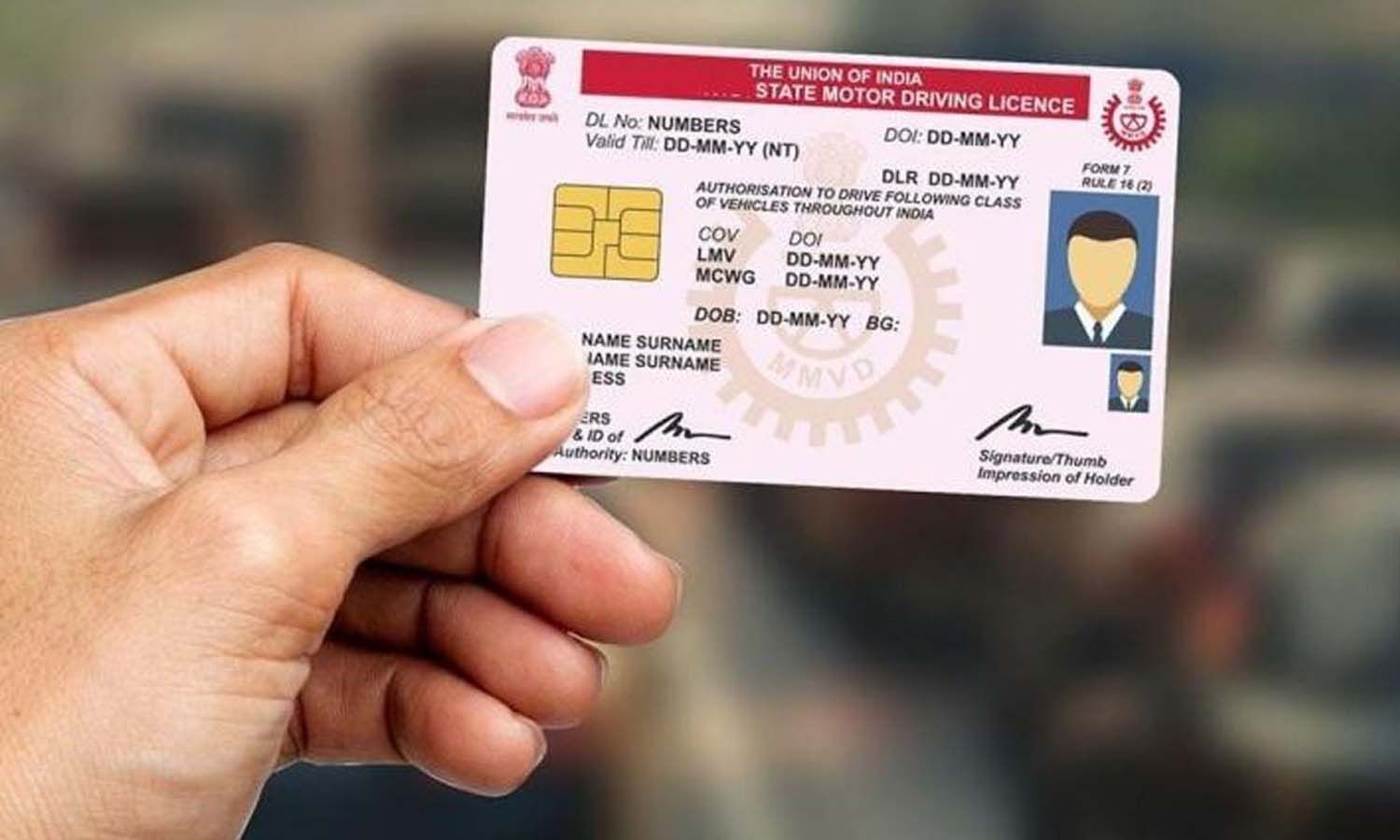
Hyderabad: In a major step towards technology-driven governance and streamlined welfare delivery, Telangana Chief Minister A. Revanth Reddy has directed officials to initiate the creation of a comprehensive multi-purpose “Unified Welfare Card” that will integrate details of all welfare benefits and government service touchpoints availed by citizens across departments.
The proposed Unified Card is envisioned as a one-stop digital identity and governance platform that would provide a consolidated profile of every beneficiary in the state. The system is aimed at leveraging Artificial Intelligence (AI) for efficient governance, real-time beneficiary tracking, elimination of duplication in welfare schemes, and transparent delivery of government services.
The Chief Minister issued the directions during a high-level review meeting held with IT and Industries Minister D. Sridhar Babu, Chief Secretary K. Ramakrishna Rao, and senior officials from various departments.
AI-Based 360-Degree Beneficiary Profiling
As part of the ambitious initiative, the Telangana government plans to launch a statewide special drive to collect individual and family-level data of all citizens. Officials said the collected information would form the foundation for the state’s first-ever AI-based dynamic profiling system capable of maintaining a 360-degree database of beneficiaries.
The proposed profiling mechanism would integrate welfare data from multiple departments and schemes into a single digital ecosystem. The Unified Card would carry comprehensive information regarding benefits received by an individual under various schemes, including healthcare, education, pensions, labour welfare, and financial assistance programs.
Officials said the system would eventually allow real-time tracking and analysis of welfare delivery while improving administrative efficiency.
Eliminating Duplication and Bureaucratic Delays
Chief Minister Revanth Reddy emphasized the importance of using artificial intelligence to remove duplication in welfare schemes and reduce delays in extending benefits to eligible citizens.
According to officials present at the meeting, the Chief Minister stressed that many welfare schemes currently operate in isolation, leading to overlapping benefits, manual verification hurdles, and bureaucratic delays. By integrating all beneficiary data into a centralized AI-enabled platform, the government intends to ensure faster, more transparent, and more accountable service delivery.
The CM also highlighted that minimizing human intervention in the approval and verification process would significantly reduce corruption, errors, and delays.
The proposed AI-enabled system will also help identify ineligible beneficiaries, thereby ensuring that welfare schemes reach only deserving individuals.
Unified Card to Be Issued by IT Department
In a notable administrative shift, the Chief Minister instructed that the Unified Card should be issued centrally through the Information Technology Department instead of separate cards being created by different departments.
Officials have also been asked to involve young and technologically skilled government officers in the implementation of the project to ensure faster execution and adoption of advanced digital systems.
The government believes that a centralized digital architecture will help departments seamlessly share information and coordinate welfare delivery more effectively.
Integration of Welfare Schemes and Surveys
The Unified Card is expected to include data from several welfare-centric departments and flagship schemes such as Aarogyasri, Chief Minister’s Relief Fund (CMRF), fee reimbursement programs, labour welfare initiatives, and education-related benefits.
In addition, the government plans to integrate data collected through the Socio-Economic, Education, Employment, Political and Caste (SEEEPC) Survey into the Unified Card ecosystem.
Officials said this integration would enable the state to build a comprehensive socio-economic profile of every household and use data analytics for evidence-based policymaking.
The Chief Minister also asked officials to explore the possibility of creating a state-level unique identity number on the lines of Aadhaar to further strengthen the digital governance framework.
Health, Migration and Employment Data to Be Linked
The AI-powered profiling system is also expected to include comprehensive health profiles of citizens, enabling better coordination of healthcare services and emergency welfare support.
Revanth Reddy reportedly cited an example where the issuance of a death certificate should automatically update pension databases such as Cheyutha, thereby preventing unnecessary pension disbursement and ensuring administrative efficiency.
The government is also planning to integrate skilling, employment, migration, passport, and visa-related data into the system. The Chief Minister asked officials to study migration management models followed by states such as Kerala, particularly in handling migration to Middle Eastern countries.
Officials said the proposed centralized system could help track skilled workers, training initiatives, overseas employment patterns, and migration-related services. The move is expected to reduce exploitation by unauthorized agents and middlemen in the migration ecosystem.
Contract and Outsourcing Employees Also Under Scanner
Apart from welfare beneficiaries, the Telangana government is also considering profiling contract and outsourcing employees working in various government departments.
Officials said this could help the administration maintain a centralized workforce database and improve monitoring, manpower planning, and policy implementation.
Towards AI-Driven Governance
The Telangana government sees the Unified Welfare Card project as a key pillar in its broader vision of AI-driven governance and data-based public administration.
The initiative is expected to improve policy planning, strengthen welfare targeting, increase transparency, and provide the government with real-time analytics on scheme implementation and beneficiary outreach.
“The objective is to create an integrated governance ecosystem where welfare delivery becomes more efficient, transparent, and citizen-centric,” officials said after the meeting.
If implemented successfully, Telangana could emerge as one of the first states in India to deploy a large-scale AI-integrated welfare governance model aimed at creating a single digital interface for all citizen welfare services.