

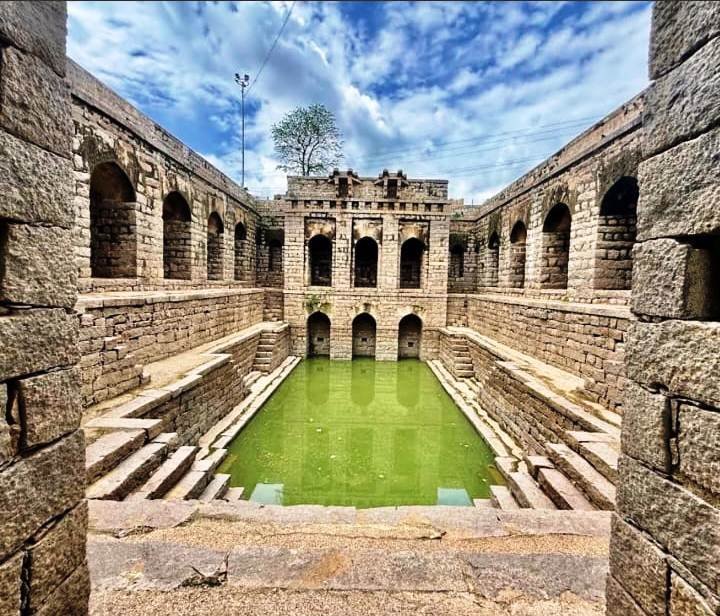
Once a vital source of drinking water and irrigation, the historic Jaksani Naganna Bavi in Kamareddy district has been restored to its former glory. Today, the centuries-old structure is emerging as a symbol of sustainable water management, cultural preservation and women-led rural tourism.
LINGAMPET, KAMAREDDY: Hidden in the historic village of Lingampet in Telangana’s Kamareddy district, an extraordinary piece of architectural and cultural heritage is attracting renewed attention. Jaksani Naganna Bavi, an 18th-century stepwell that once served as an important source of water for the local community, has come back to life following restoration efforts.
More than just an ancient water structure, Naganna Bavi represents a time when communities developed sustainable solutions to manage water resources, long before modern water supply systems and engineering infrastructure became commonplace.
According to the Kamareddy district administration, the construction of this historic stepwell took place during the reign of Raja Venkata Narasimha Reddy, who played an important role in the development of the Pappanapet Samasthanam. The village of Lingampet itself was established by Raja Venkata Narasimha Reddy and Queen Lingayamma, after whom the settlement was named.
The region’s historical development included the construction of fort walls, lakes and wells to support settlement, security and agriculture. Naganna Bavi formed part of this traditional water infrastructure.
An architectural legacy built around water
Stepwells were an important feature of traditional Indian architecture, particularly in regions where communities depended on seasonal rainfall and groundwater. Unlike conventional wells, these structures incorporated stairways that allowed people to descend towards the water level, making access easier even when water levels fluctuated.
Naganna Bavi reflects this practical approach to water conservation. Its historic masonry, descending steps and architectural design offer a glimpse into the engineering knowledge and craftsmanship of an earlier era.
The structure once supplied drinking water and supported irrigation requirements in the village. Its importance extended beyond water collection, representing the relationship between local communities, agriculture and natural resources.
Over the years, however, the stepwell experienced neglect, raising concerns about the preservation of an important part of Telangana’s heritage.
Restoration brings the forgotten monument back to life
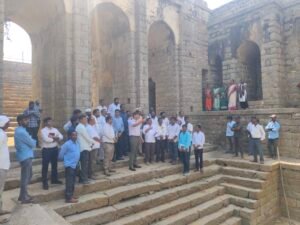
The restoration of Naganna Bavi has been associated with the efforts of the Infosys Foundation and the Society for Advancement of Human Endeavor (SAHE).
The conservation initiative has helped revive a neglected historic water structure and bring renewed attention to its architectural and environmental significance.
Today, the stepwell is reportedly holding water again. Its restoration is also a reminder that traditional water systems can have relevance in contemporary discussions about groundwater conservation, rainwater harvesting and sustainable resource management.
The renewed interest in the site received further attention in October 2026, when it hosted an all-night folk music shoot. Artists performed beneath the historic arches under lantern light, transforming the centuries-old structure into a cultural setting while ensuring that the monument was protected during the filming.
Women lead the heritage revival
One of the most encouraging aspects of Naganna Bavi’s revival is the involvement of local women.
Women belonging to Self-Help Groups (SHGs) are managing the daily operations of the heritage site. Their responsibilities include visitor ticketing, cleaning and routine maintenance.
The arrangement provides women with livelihood opportunities within their own community while giving them an active role in protecting local heritage.
An innovative aspect of the initiative is its financial sustainability. Revenue collected through visitor entry and videography tickets is being used to meet operational expenses, including workers’ wages, water lines, motor repairs, shade nets and regular sanitation.
This model helps the site meet its maintenance requirements through locally generated revenue without creating an additional financial burden on the government.
A lesson in sustainable water management
The revival of Naganna Bavi carries an important message for Telangana, a state where water conservation, groundwater depletion and the restoration of traditional water bodies remain significant concerns.
Historic stepwells demonstrate how earlier generations developed community-based systems to store and access water. Their restoration can contribute to groundwater recharge, rainwater conservation and greater public awareness of sustainable water practices.
Naganna Bavi also highlights the potential of heritage tourism to generate employment, encourage cultural activities and strengthen rural economies.
As Telangana continues to develop its modern infrastructure and urban centres, preserving such historic structures is equally important.
The story of Naganna Bavi is ultimately about more than restoring an old stepwell. It is about reconnecting a community with its history, reviving traditional knowledge and creating new opportunities through women’s participation.
A forgotten water structure has once again become a source of life, livelihood and cultural pride for Lingampet — demonstrating that the solutions of the past can still inspire the future.