

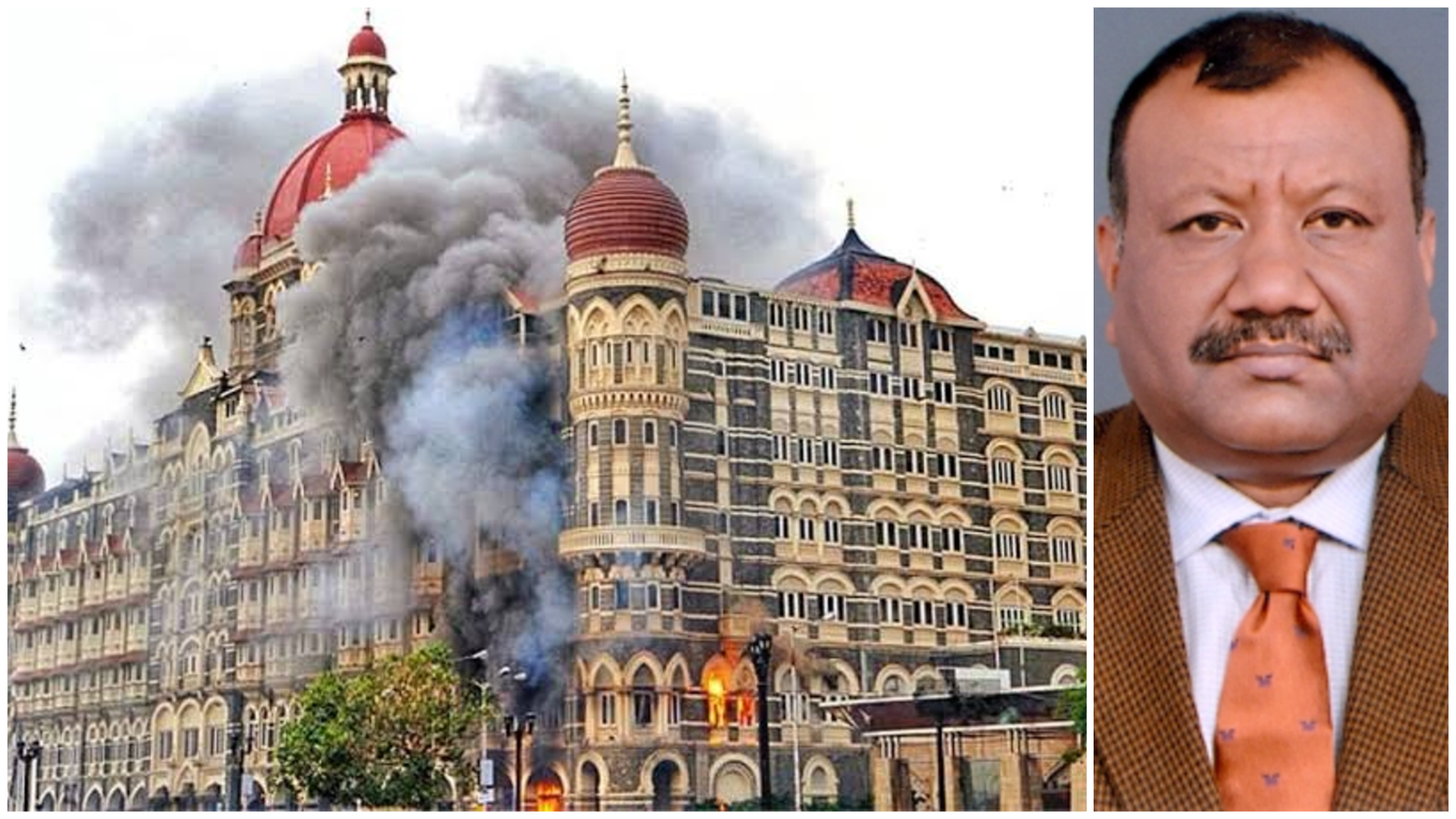
His deep emotional connection with the iconic Taj Mahal Palace Hotel, memories of the horrific night and reflections on courage and resilience.
Mumbai: The 26/11 Mumbai terror attacks left an indelible scar on the city and the nation. Among those who witnessed the horrific events at the iconic Taj Mahal Palace Hotel was Captain Nalin Pandey, Managing Director of Mumbai-based Pentagon Marine Services Pvt. Ltd. His account, published in The Marex Bulletin on December 8, 2008, offers a deeply personal perspective on one of India’s darkest nights.
For Captain Pandey, the Taj was never just a luxury hotel. It was a place close to his heart, carrying decades of personal memories. He recalled that his father first took him to the hotel in 1983. Since then, he had remained a regular visitor, developing a strong emotional attachment to the historic landmark. He described the Taj as a national heritage monument and an awe-inspiring symbol of Mumbai.
A Night That Changed Everything
The Mumbai terror attacks turned this familiar place into a scene of unimaginable violence. Captain Pandey was at the Taj when the attacks unfolded. Recalling the terrifying experience, he described the shock, confusion and fear that gripped people inside the hotel.
He also recounted witnessing an explosion near the hotel’s swimming pool area. Recognising the seriousness of the situation, he alerted a hotel staff member, who subsequently informed the police.
The night was particularly traumatic as guests and staff faced uncertainty and danger. Captain Pandey recalled the atmosphere of fear and the extraordinary circumstances in which people had to make difficult decisions to protect themselves and others.

Courage, Calm and the Fight for Survival
In his account, Captain Pandey highlighted the importance of courage and mental strength during a crisis. Reflecting on the experience, he spoke about the need to remain brave and not allow panic or hopelessness to take over.
He also recalled the efforts made by people to respond to the unfolding emergency and help those around them. His observations underline how presence of mind and timely communication can matter greatly in life-threatening situations.
The Taj: A Symbol of Resilience
The attacks deeply affected Captain Pandey, who had spent years visiting the hotel. Seeing a place so closely connected with his memories become a target of terrorism was an emotionally overwhelming experience.
However, he also expressed confidence that the Taj would recover its former glory and return to normal business. For him, the hotel’s restoration was about much more than rebuilding a landmark; it represented the resilience and enduring spirit of Mumbai.
Captain Nalin Pandey’s account remains a personal testimony to the fear, courage and emotional aftermath of the 26/11 attacks. His memories reflect not only the tragedy experienced by those present at the Taj but also the determination to overcome terror and rebuild.