

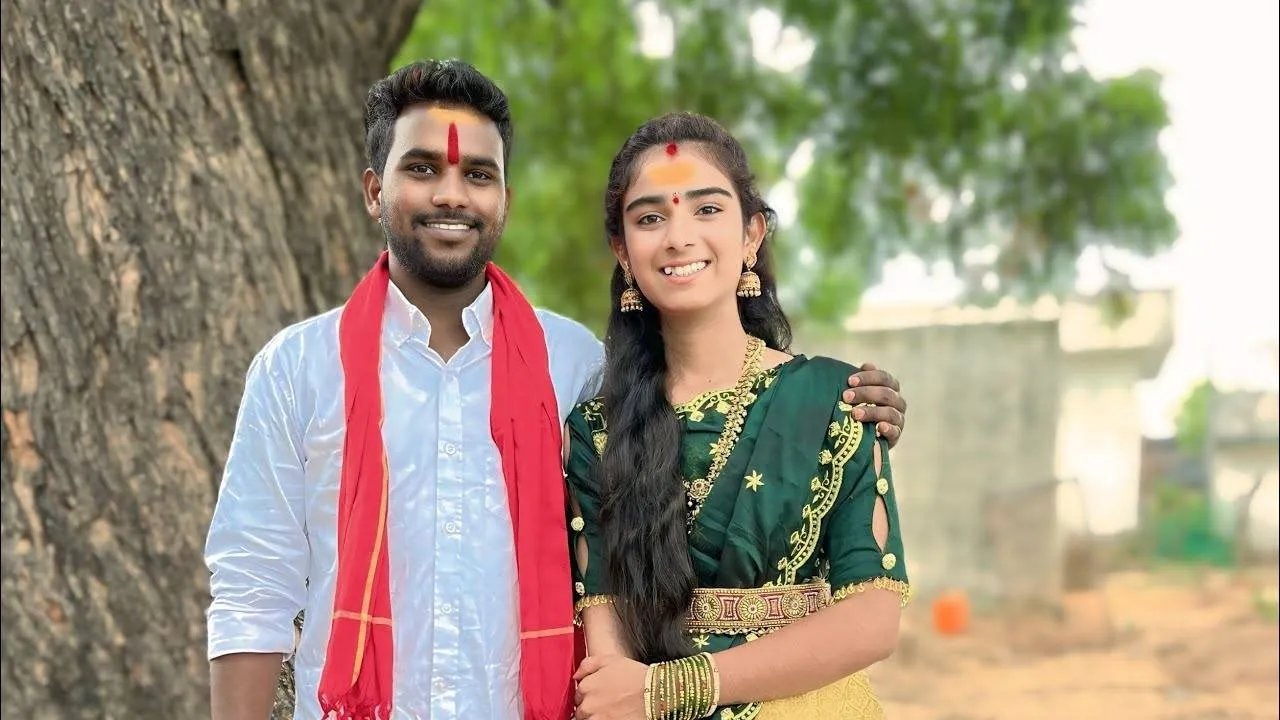
Hyderabad: The shocking murder of a 20-year-old pregnant YouTuber in Telangana has triggered widespread outrage and renewed concerns about domestic violence and the hidden dangers many women face within their own homes. The victim, identified as Chittari Vaishnavi, had recently shared the joyful news of her pregnancy on her YouTube channel. Just weeks later, her life was tragically cut short, sending shockwaves through social media and the local community.
According to police officials, Vaishnavi was found in a pool of blood under suspicious circumstances. Preliminary investigations suggest that her husband is the prime suspect in the case. Authorities say he has been absconding since the incident and a search operation is currently underway to trace him. The case has not only become a criminal investigation but also a symbol of a disturbing pattern of violence that continues to affect women across India.
Vaishnavi had built a modest following on YouTube where she regularly posted videos about her daily life, personal experiences, and family moments. Her recent announcement about her pregnancy had been welcomed by viewers who congratulated the young couple and expressed excitement for the new phase in her life. For many followers, the news of her death came as a devastating shock.
Investigators are examining multiple angles, including the possibility of marital disputes and domestic conflict. While the full details are yet to emerge, police sources indicate that the relationship between the couple may have been strained in recent weeks. Statements from relatives and neighbors are being recorded as part of the ongoing probe.
The tragedy highlights a grim reality: violence against women, particularly within intimate relationships, remains a persistent problem in many parts of the country. Experts say that cases like Vaishnavi’s reveal how domestic abuse often stays hidden behind the façade of normal family life until it escalates into a fatal incident.
According to social activists and criminologists, several factors contribute to such violent outcomes. Financial stress, possessive behavior, lack of emotional maturity, and unresolved marital conflicts are frequently cited triggers. In some cases, patriarchal attitudes and societal pressure also play a role, creating environments where women’s autonomy is restricted and disputes turn aggressive.
The rise of social media has added another layer to these dynamics. Young couples who share aspects of their personal lives online sometimes face additional pressures—from public scrutiny to personal insecurities. Experts caution, however, that social media exposure itself is rarely the cause of violence; rather, it can sometimes amplify underlying tensions that already exist in relationships.
Women’s rights organizations say the incident should serve as a wake-up call. They emphasize the need for stronger community awareness, better support systems for women experiencing domestic abuse, and more proactive intervention mechanisms. In many cases, victims either do not report abuse or lack access to support services that could help them escape dangerous situations.
Legal experts also point out that India has laws such as the Protection of Women from Domestic Violence Act, which aims to safeguard women from abuse within the household. However, implementation gaps, social stigma, and fear of family breakdown often prevent victims from seeking legal help.
For Vaishnavi’s followers and community members, the tragedy has turned into a moment of collective mourning. Messages of grief and anger have flooded social media platforms, with many users demanding swift justice and stronger measures to prevent such crimes.
The investigation is ongoing, and authorities have assured that every effort is being made to apprehend the suspect and bring clarity to the circumstances surrounding the young woman’s death.
Beyond the immediate legal process, the case raises deeper questions about the safety of women, especially young wives and mothers-to-be. It underscores the urgent need for societal change—where respect, communication, and equality form the foundation of relationships rather than control and violence.
Vaishnavi’s story, once filled with hope about motherhood and a growing online community, has now become a stark reminder of the silent struggles many women endure. As the search for justice continues, her death has ignited an important conversation about domestic violence, accountability, and the responsibility of society to protect vulnerable lives.