

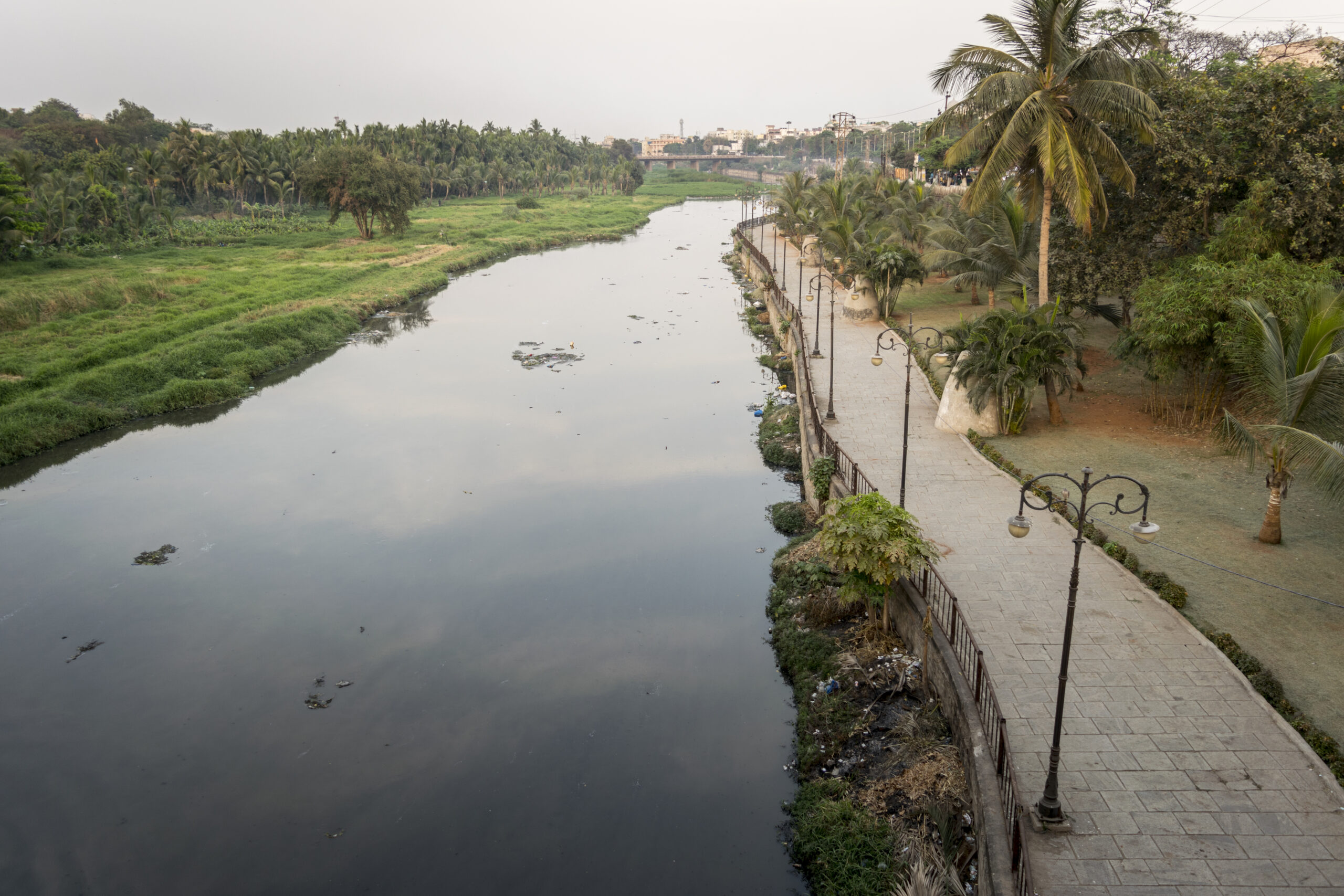
Hyderabad: Telangana Chief Minister A. Revanth Reddy on Thursday unveiled a comprehensive, long-term blueprint to rejuvenate the Musi River, aiming to restore its year-round flow, eliminate decades-old pollution, and re-establish the river as a central ecological and urban asset of Hyderabad.
Intervening during a detailed discussion in the Telangana Legislative Assembly on Musi river development, the Chief Minister asserted that the project is not merely an infrastructure initiative but a generational commitment to public health, water security, and sustainable urban planning. “Musi is not just a river; it is Hyderabad’s lifeline, and restoring it is a moral and developmental responsibility,” he said.
Revanth Reddy announced that global tenders have been floated to appoint an international consultant for the Musi rejuvenation project, reflecting the government’s intent to adopt global best practices. He disclosed that three leading international firms have formed a joint venture to undertake the consultancy work, signalling strong global interest in the ambitious restoration effort.
As part of the integrated water management plan, the state government is preparing to divert 20 TMC of water from the Godavari River. Of this, 15 TMC will be allocated to Hyderabad’s drinking water requirements, while the remaining 5 TMC will be routed to Gandipet, ensuring support for reservoirs, sustained downstream flow, and ecological balance in the Musi basin.
Highlighting the river’s historical and cultural significance, the Chief Minister said the Musi originates at Ananthagiri Hills and flows nearly 240 kilometres before merging with the Krishna River near Wadapally. He recalled how visionary water infrastructure created during the Kakatiya and Nizam eras, including Osman Sagar and Himayat Sagar, once safeguarded Hyderabad from floods and ensured long-term water security.
However, decades of unplanned urbanisation, rampant pollution, encroachments, and illegal sewage and drainage connections severely damaged the river ecosystem, turning Musi into a carrier of untreated waste. Revanth Reddy said his government has already initiated strict enforcement measures, including action against illegal farmhouses, unauthorised constructions, and polluting drainage outlets discharging into lakes and nalas feeding the Musi.
The Chief Minister said the state conducted in-depth studies of riverfront rejuvenation and urban renewal models in global cities such as London, Singapore, Germany, Japan, and South Korea. Insights from these cities have been adapted to suit Hyderabad’s geographical, social, and environmental context, with a strong focus on sustainability rather than cosmetic beautification.
In a major urban mobility push linked to the river development plan, Revanth Reddy also revealed proposals for a 55-kilometre elevated corridor from Gandipet to Gaurrelli. The corridor is expected to ease traffic congestion, improve east-west connectivity, and integrate transport planning with river rejuvenation.
Dismissing criticism that the project is driven by real estate interests, the Chief Minister firmly stated that Musi rejuvenation is about public health, flood mitigation, water security, and reclaiming Hyderabad’s historic bond with its river. “This is not politics over land values. This is about giving future generations a cleaner, healthier city,” he asserted.
The Musi River project, officials said, is envisioned as a multi-decade transformation that will redefine Hyderabad’s urban landscape while setting a national benchmark for river restoration in rapidly growing Indian cities.