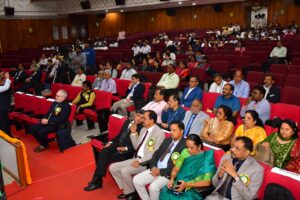
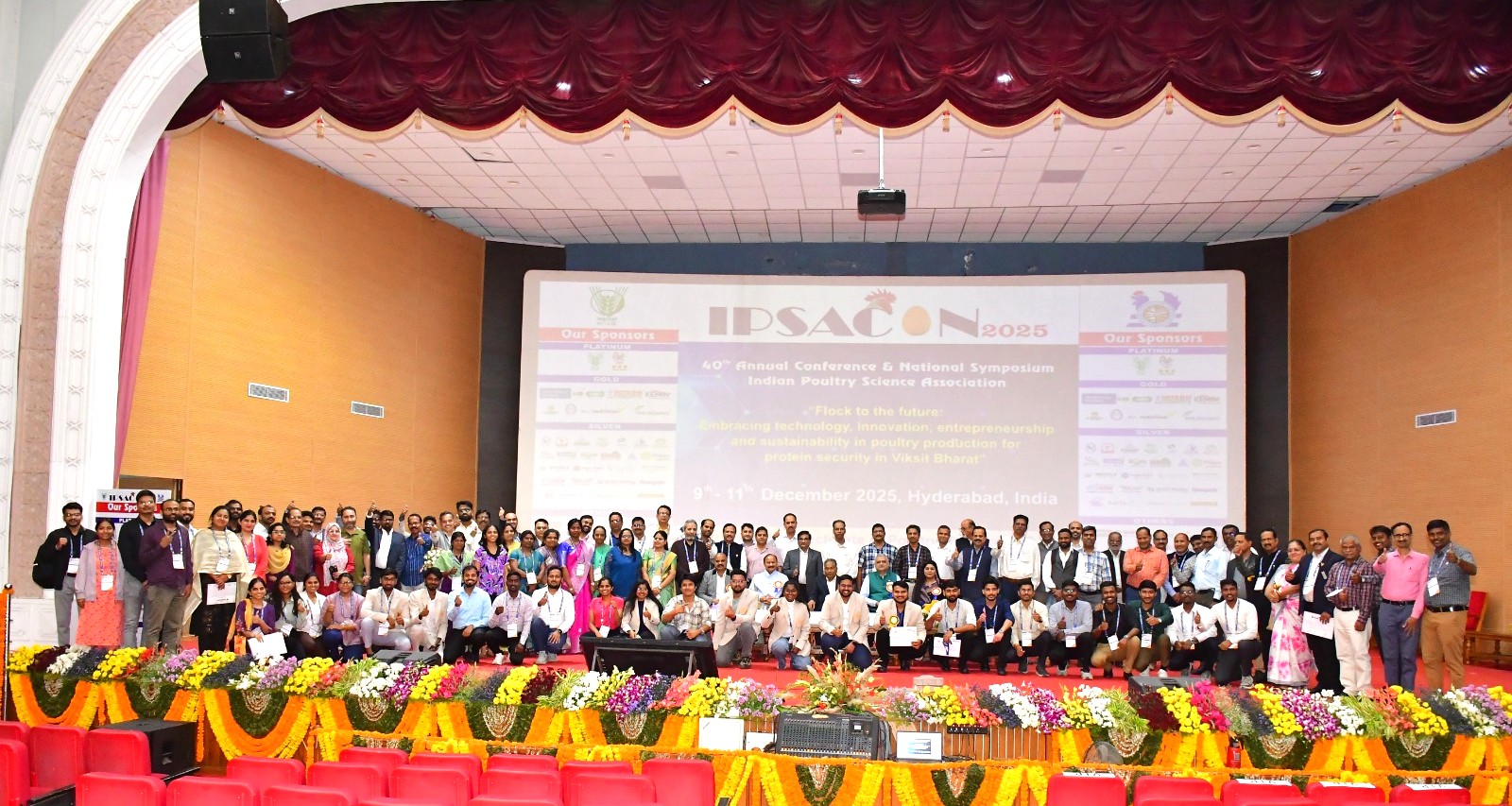
Hyderabad: The three-day 40th Annual Conference and National Symposium of the Indian Poultry Science Association (IPSACON-2025) concluded on December 11 at the University Auditorium of Professor Jayashankar Telangana State Agricultural University (PJTSAU), Rajendranagar, Hyderabad, marking a significant milestone in India’s journey toward protein security and sustainable livestock development.
Held under the theme “Flock to the Future: Embracing Technology, Innovation, Entrepreneurship and Sustainability in Poultry Production for Protein Security in Viksit Bharat,” the conference brought together over 400 delegates from across the country, including scientists, academicians, policymakers, industry leaders, entrepreneurs and students. The event was jointly organized by the ICAR–Directorate of Poultry Research (ICAR-DPR), Hyderabad, and the Indian Poultry Science Association (IPSA).
Inaugural Session Sets Vision for Viksit Bharat 2047
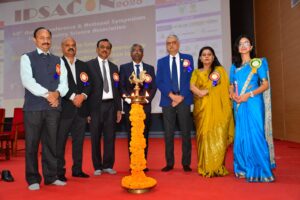
The conference was inaugurated on December 9, with Dr. K. C. Veeranna, Vice-Chancellor, Karnataka Veterinary, Animal and Fisheries Sciences University (KVAFSU), Bidar, and Dr. K. Ilambarithi, IAS, Secretary, Animal Husbandry, Dairy Development and Fisheries Department, Government of Telangana, setting the tone.
The dignitaries emphasized the critical role of the poultry sector in ensuring nutritional and protein security, enhancing farm incomes and strengthening the rural economy. They highlighted the importance of strengthening the entire poultry value chain—from breeding and nutrition to disease management and market access—to achieve protein sufficiency goals under Viksit Bharat 2047.
Keynote Addresses Highlight Policy and Industry Perspectives
Keynote addresses were delivered by Dr. Tarun Shridhar, IAS (Retd.), Former Secretary, Department of Animal Husbandry & Dairying, Government of India, and Dr. D. V. R. Prakash Rao, President, National Academy of Veterinary Sciences (India) and Chairman & Managing Director, Prakash Foods & Feed Mills Pvt. Ltd., Chennai.
The speakers underlined the need for technology-driven growth, policy support, entrepreneurship and global competitiveness to ensure long-term sustainability of the poultry sector.
Major Actionable Outcomes from Technical Deliberations
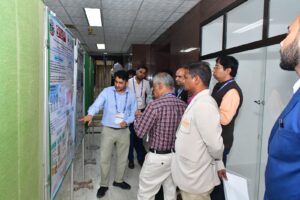
During three days of intensive technical sessions and panel discussions, several key actionable recommendations emerged, including:
- Adoption of detailed phenotyping and genomic selection, particularly using indigenous poultry populations, to improve sustainability and lifetime productivity
- Integration of molecular and conventional breeding approaches
- Strengthening backyard and rural poultry systems for livelihood security
- Innovations in poultry nutrition and feed resources, including alternatives to antibiotic growth promoters, climate-resilient feeding strategies and sustainable feed ingredients
- Disease surveillance, vaccination strategies and biosecurity under a One Health framework, with a strong focus on antimicrobial resistance (AMR) mitigation
- Post-harvest innovations and export readiness, including the proposal to establish a National Centre for Poultry Product Innovation to enhance global competitiveness of Indian poultry products
- Technology-enabled production systems and digital interventions
- Capacity building and stakeholder engagement, emphasizing farmer training, technician skill development and stronger industry–academia partnerships
- Promotion of rural and country chicken production as a sustainable and resilient alternative for small and marginal farmers
Awards and Recognitions
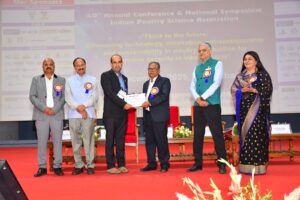
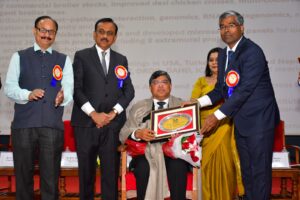
The Indian Poultry Science Association honored eminent scientists for their outstanding contributions to poultry science. Lifetime Achievement Awards were conferred on Dr. V. Ayyagari, Former Director, ICAR-DPR, and Dr. V. K. Saxena, Former Assistant Director General, ICAR.
The IPSA Fellow Recognition was awarded to:
- Dr. Solomon Rajkumar, Senior Scientist, ICAR-CCARI, Goa
- Dr. R. Amutha, Professor & Head, Tamil Nadu Veterinary and Animal Sciences University (TANUVAS)
- Dr. Chandra Deo, Head, Avian Nutrition & Feed Technology, ICAR-CARI, Bareilly
- Dr. Ramesh Chandra Hazary, Venco Research & Breeding Farm, Venkateshwara Hatcheries Group
Students and faculty members were also recognized for best oral and poster presentations during various technical sessions.
Valedictory Session Emphasizes Collective Action
In the concluding session, Dr. M. Gnana Prakash, Vice-Chancellor, P.V. Narasimha Rao Telangana Veterinary University (PVNRTU), Hyderabad, emphasized the enabling ecosystem of the Indian poultry sector and called for collective efforts to address emerging challenges.
Dr. P. K. Shukla, President, IPSA, and Dr. R. N. Chatterjee, Director, ICAR-DPR, highlighted the pivotal role of research institutions in driving growth, resilience and sustainability. Dr. U. Rajkumar, Organizing Secretary of IPSACON-2025, expressed gratitude to all dignitaries and delegates for their valuable contributions.
Way Forward
The conference concluded with a strong consensus that a holistic approach integrating technology, entrepreneurship, One Health principles, waste-to-wealth models, sustainable nutrition and farmer-centric innovations is essential to make the Indian poultry sector resilient, globally competitive and capable of ensuring protein security under the Vision for Viksit Bharat 2047.